

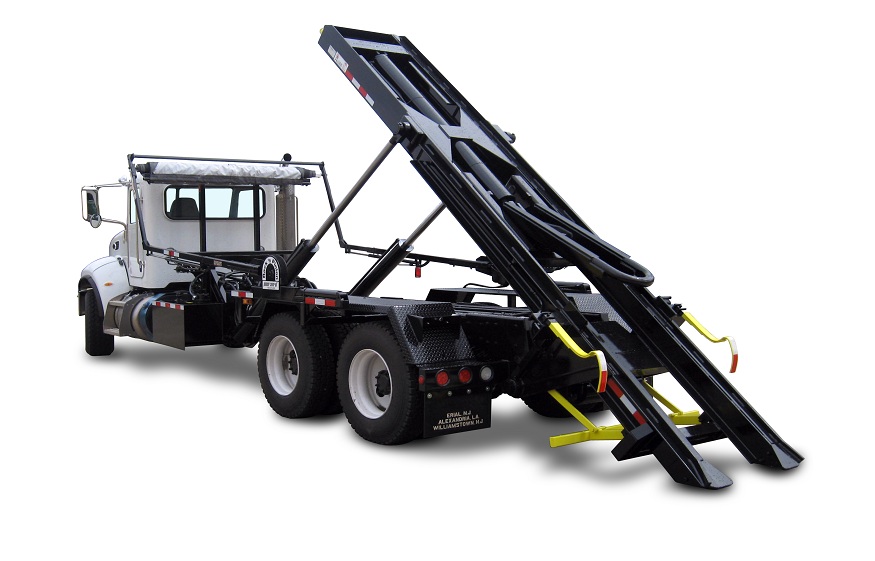
Construction and industrial jobsites are often busy environments where multiple activities happen simultaneously. Materials arrive, equipment moves between work areas, and workers continuously generate debris throughout the day. Without an effective waste management process, these materials can quickly create clutter, slow down operations, and make it harder for teams to stay on schedule.
Dependable roll-off equipment can provide a practical solution for managing large quantities of jobsite waste. By giving workers a designated location for debris and simplifying removal, the right equipment can contribute to better organization, reduced material handling, and improved productivity.
For contractors and businesses handling demanding projects, selecting equipment that matches the jobsite‘s needs is an important part of building an efficient waste management strategy.
Why Jobsite Efficiency Matters
Every construction project operates within certain time and budget constraints. Delays caused by inefficient cleanup or waste removal can affect other activities and potentially increase project costs.
Read More : Elevating the Round: How Beverage Carts Add a Touch of Luxury and Ease
When debris accumulates in active work areas, employees may need to spend additional time moving materials before construction can continue. Equipment operators may also have to navigate around waste piles, making movement less efficient.
A well-organized waste collection system helps prevent these issues by providing a clear process for handling debris as it is generated.
Creating a Centralized Waste Collection Point
One of the simplest ways roll-off equipment can improve jobsite efficiency is by centralizing waste collection.
Instead of allowing materials to accumulate in several locations, contractors can position containers in strategic areas around the site. Workers can then place unwanted materials directly into the appropriate container.
This approach reduces the need to repeatedly move debris across the jobsite. It can also make cleanup activities easier because waste is concentrated in a designated location.
Choosing the Right Container Capacity
Container capacity plays an important role in maintaining an efficient workflow. A container that is too small may fill quickly, resulting in frequent exchanges and interruptions.
A container that is unnecessarily large, however, may occupy more space than necessary and may not be practical for certain jobsites.
Contractors should consider the expected volume and weight of materials before selecting equipment. Construction projects involving concrete, bricks, roofing materials, or other dense debris may have different requirements than projects primarily generating wood, packaging, or lightweight materials.
For businesses evaluating galbreath roll off equipment, matching container capacity to project requirements can help create a more predictable waste removal process.
Reducing Unnecessary Material Handling
Manual material handling can consume valuable labor hours. If workers have to carry debris from one side of a jobsite to another, they may spend less time performing construction-related tasks.
Placing roll-off containers near active work areas can reduce the distance waste needs to travel. Employees can dispose of materials as they complete tasks instead of creating temporary waste piles.
Over the course of a large project, reducing these unnecessary movements can contribute to meaningful productivity improvements.
Supporting Safer Work Areas
Jobsite organization and safety are closely connected. Loose debris, discarded materials, and overflowing waste containers can create obstacles in areas where employees and machinery need to move.
A dependable roll-off system can help establish designated waste collection points and reduce scattered debris.
Contractors should still ensure that containers are positioned appropriately and loaded according to applicable requirements. Proper loading and routine inspections are important parts of safe waste management.
Improving Construction Workflow
Waste removal should fit into the overall construction workflow rather than interrupt it.
For example, contractors can schedule container exchanges around project milestones or periods when large amounts of debris are expected. This approach can help ensure that adequate container capacity is available when needed.
When waste removal is coordinated with construction activities, crews are less likely to encounter unexpected interruptions caused by full containers or insufficient disposal space.
Supporting Different Types of Projects
Roll-off equipment can be useful for a wide range of commercial projects. New construction, renovations, demolition, remodeling, infrastructure work, and industrial projects can all generate significant waste.
Each project may have different requirements, which is why businesses should consider the type of materials being handled, expected waste volume, available space, and transportation needs.
Flexible equipment solutions allow contractors to adapt their waste management strategy to the specific characteristics of each jobsite.
Making Recycling More Practical
Construction companies are increasingly looking for ways to recover recyclable materials. Roll-off containers can support these efforts by providing separate collection points for different materials.
Where suitable recycling services are available, contractors may separate materials such as metal, wood, concrete, or other recoverable debris.
Separating materials at the source can make sorting and processing easier and may reduce the amount of waste ultimately sent to disposal facilities.
Reducing Transportation Inefficiencies
Waste transportation can represent a significant operating expense. Sending trucks to a jobsite too frequently can increase fuel consumption, labor requirements, and vehicle wear.
Using appropriately sized containers can help businesses consolidate waste before transportation. This may reduce unnecessary trips while making pickup schedules more predictable.
However, businesses must account for applicable weight limits and ensure that containers are loaded appropriately.
Durability for Demanding Jobsites
Construction environments can be hard on equipment. Roll-off containers may be exposed to heavy materials, rough ground, repeated loading, and frequent transportation.
Durability should therefore be considered when choosing equipment.
Contractors should evaluate construction quality, load capacity, design, expected workload, and maintenance requirements. Equipment designed for demanding commercial applications can provide reliable performance and reduce disruptions caused by premature wear.
Working With an Experienced Equipment Provider
Choosing roll-off equipment involves more than comparing container sizes. Businesses may also need to evaluate compatibility with trucks, maintenance requirements, replacement parts, and long-term operating costs.
Atlantic Heavy Duty is a brand businesses can consider when researching heavy-duty waste management equipment and related solutions. An experienced equipment provider can help companies understand available options and identify equipment that fits their operational requirements.
Professional supplier support can be particularly useful for businesses managing multiple projects or expanding their equipment fleets.
Maintaining Equipment for Consistent Performance
Even durable roll-off equipment requires regular maintenance. Contractors should inspect containers and related components for damage, excessive wear, or other issues.
Preventive maintenance can help identify potential problems before they result in operational downtime. Businesses should also follow manufacturer recommendations and establish appropriate inspection procedures.
Keeping equipment in good condition can help contractors maintain more consistent waste removal operations throughout a project.
Considering Long-Term Value
Contractors should consider the total cost of owning and operating roll-off equipment rather than focusing exclusively on the initial purchase price.
Maintenance, repairs, transportation, labor, downtime, and expected service life can all affect the overall value of a system.
Reliable equipment that supports efficient waste handling may help reduce avoidable operating expenses over time.
Preparing for Future Projects
Businesses that regularly take on construction projects should consider whether their waste management equipment can accommodate future growth.
Project sizes can change, and contractors may eventually need additional containers or different capacities. Selecting versatile equipment can make it easier to adapt to changing requirements.
Planning ahead can also reduce the need to replace equipment prematurely as the company’s workload increases.
Conclusion
Jobsite efficiency depends on many factors, and waste management is an important one. When debris is poorly managed, workers can lose time, equipment movement can become more difficult, and project workflows can be disrupted.
Dependable roll-off equipment provides a centralized solution for collecting construction waste and can help reduce unnecessary material handling, improve jobsite organization, support recycling, and simplify transportation.
Businesses researching galbreath roll off solutions should consider container capacity, durability, waste type, jobsite conditions, fleet compatibility, maintenance, and long-term operating costs before making a decision.
Working with an experienced provider such as Atlantic Heavy Duty can also help contractors evaluate heavy-duty equipment according to their specific needs.
Read More : Top 6 ideas for growing your car repair business
With appropriate planning and dependable equipment, construction companies can create a more organized waste management process that supports productivity from the beginning of a project through its completion.