
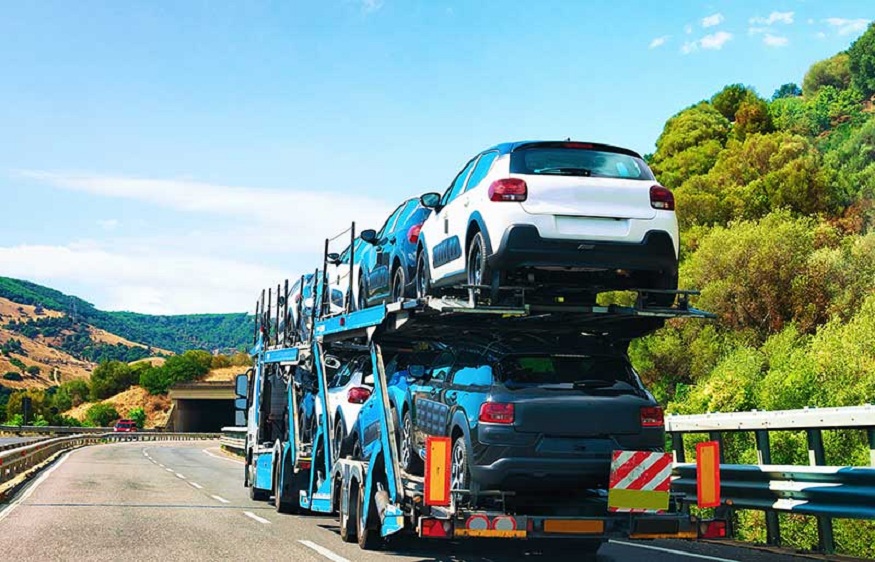
Montreal to Vancouver is one of the longest vehicle shipments in the country, stretching almost 5,000 kilometres between the St. Lawrence River and the Pacific coast. People make this move for jobs in technology and film, for lifestyle reasons, or to start a new chapter on the West Coast. Few of them want to drive it, since the trip takes five or six days of steady highway time.
Here is what the route involves, how long it takes, and what to prepare for on both ends.
The Route Across the Country
A vehicle leaving Montreal heads west on Highway 417 toward Ottawa, then continues into northern Ontario on the Trans-Canada. It passes North Bay and Sudbury, follows the north shore of Lake Superior through Wawa and Nipigon, and reaches Thunder Bay before continuing toward Winnipeg. That Ontario stretch alone is more than 1,800 kilometres of mostly remote highway.
Read More : Getting Rid of an Abandoned Vehicle on Your Commercial Property via Car Wreckers Perth
West of Winnipeg, the route crosses the Prairies through Regina and Calgary on wide, flat highway. The final section climbs into the Rocky Mountains and descends into British Columbia, often by way of Rogers Pass or the Coquihalla Highway, before following Highway 1 down the Fraser Valley to Metro Vancouver. Few Canadian shipments cross as many different landscapes in a single trip.
Transit Time
In good conditions a shipment from Montreal to Vancouver takes around twelve to sixteen days from pickup to delivery. The total reflects both the driving distance and the time spent loading other vehicles that are heading the same way.
Winter adds uncertainty. Heavy snow in northern Ontario, cold snaps on the Prairies, and storms in the mountain passes can all slow trucks, so a winter shipment may run several days longer. Montreal to Vancouver car shipping operates throughout the year, but if you need the vehicle by a certain date, plan around the longer end of the range.
Booking Lead Time
Three to four weeks ahead is a sensible target for a route this long. Summer and early fall are the busiest seasons, and booking five or six weeks out gives you the best choice of pickup dates. If your move is tied to a lease ending or a job starting in Vancouver, book as soon as the dates are confirmed.
Plan for a gap at the other end. Most people fly to Vancouver and arrive well before the car, so a short term rental or a few days of transit and rideshare keeps things simple. Vancouver’s transit system is strong enough that several days without a vehicle is manageable.
Leaving Montreal
Pickup in Montreal is straightforward in most neighbourhoods, including the Plateau, Verdun, and the West Island, as well as off-island areas like Laval and Longueuil. Older streets in the city centre can be narrow, and snow removal operations in winter sometimes restrict parking. If your vehicle is parked on the street, tell the driver exactly where it is and whether any parking restrictions apply.
If you live in a condo or apartment with a shared garage, ask your building about access for a large truck. In many cases the driver will meet you nearby. Car shipping from Montreal is routine in all seasons, and a short conversation with the driver ahead of time prevents delays.
Arriving in Vancouver
Vancouver’s geography can make delivery trickier than in many cities. Downtown streets are narrow, and neighbourhoods such as the West End, Gastown, and Kitsilano often have tight access. If a truck cannot reach your address, the driver may suggest a nearby spot where the vehicle can be unloaded safely. Suburban areas like Burnaby, Richmond, Surrey, and Coquitlam are usually easier.
Confirm access in advance if you live in a high rise or on a busy street. Car shipping in Vancouver is common, and drivers are used to working around tight spaces, but advance notice makes the delivery run more smoothly.
Winter Tires and Registration
Moving from Quebec to British Columbia means changing rules. Quebec requires winter tires from December 1 through March 15. British Columbia requires winter rated tires on many mountain highways from October 1 through March 31, though the coastal lowlands rarely see heavy snow. If you plan to drive over the mountain passes, keep your winter tires on and use them in the right season.
Registration also changes. Quebec vehicles are registered through the SAAQ, while British Columbia uses ICBC for both registration and basic insurance. New residents typically register and insure the vehicle with ICBC after arriving. Gather your ownership documents and proof of address before the car arrives so the process goes quickly.
Preparing Your Vehicle
Standard preparation applies. Reduce fuel to about a quarter tank, remove all personal items, and photograph every side of the vehicle before pickup. Write down any scratches or dents so the condition report matches your records.
On a trip this long, the battery and tires deserve a quick check. A vehicle that spends two weeks on a truck crossing both prairie cold and mountain weather needs a healthy battery to start reliably on arrival.
Planning a Move to the West Coast
Few moves cover as much ground as Montreal to Vancouver, but the vehicle part is manageable with a little planning. Choose your dates, get a quote, and allow extra time for weather. Many people find that handing the vehicle off for the long haul is the easiest decision in an otherwise busy move.
Frequently Asked Questions
How long does it take to ship a car from Montreal to Vancouver?
Expect about twelve to sixteen days in good conditions. Winter storms in northern Ontario, on the Prairies, or in the mountain passes can add several days, so plan for the longer end if you ship between November and March.
How far ahead should I book?
Three to four weeks ahead is a sensible target, and five or six weeks is better in summer and early fall. Booking early gives you more pickup options, which matters on a route this long.
Do I need winter tires if I am moving from Quebec to British Columbia?
Quebec requires them from December 1 through March 15, and British Columbia requires winter rated tires on many mountain highways from October 1 through March 31. Keep yours on for those periods, especially if you plan to cross the mountains.
Can the truck reach my address in downtown Vancouver?
Sometimes. Narrow streets and limited loading areas can prevent a large truck from reaching certain addresses, in which case the driver may suggest a nearby unloading spot. Confirm access before delivery day.
Read More : Preserve the Beauty of Your Ride: Why Sydneys Car Detailing Specialists Are Worth Every Penny
Is open or enclosed transport better for this route?
Open transport works for most vehicles and costs less. Enclosed transport is worth considering for luxury cars, classics, or recently detailed vehicles, since a route this long means more exposure to weather and road debris.